
 Español
 Italiano
 中文
中文
Drawer gude production
Drawer guides, also known as drawer slides or runners, are essential components in furniture manufacturing, particularly in the construction of cabinets, desks, and other storage units. These guides facilitate the smooth and efficient movement of drawers, ensuring ease of access and durability. The production of drawer guides involves several key steps, from material selection to final assembly, each requiring precision and attention to detail.The production process begins with the selection of high-quality materials. Drawer guides are typically made from metal, such as steel or aluminum, or durable plastics. The choice of material depends on the intended use and the load-bearing requirements of the drawer. Metal guides are preferred for their strength and longevity, while plastic guides are often used in lighter applications due to their cost-effectiveness and resistance to corrosion.Once the material is selected, it undergoes a series of manufacturing processes. For metal guides, the first step is cutting the raw material into the required lengths and shapes using precision cutting tools. This is followed by bending and forming, where the metal is shaped into the specific design of the drawer guide. This step often involves the use of press brakes and other forming machines to achieve the desired curvature and dimensions.After forming, the metal guides are subjected to surface treatment processes to enhance their durability and appearance. Common treatments include galvanizing, powder coating, or anodizing, which provide resistance to rust, wear, and corrosion. These treatments also add a layer of protection, ensuring the guides maintain their functionality over time.For plastic guides, the production process typically involves injection molding. This method involves melting plastic pellets and injecting the molten material into a mold that is shaped like the drawer guide. Once the plastic cools and solidifies, the mold is opened, and the finished guide is removed. Injection molding allows for the production of complex shapes and designs with high precision and consistency.The next step in the production process is the assembly of the drawer guides. This involves attaching the moving parts, such as ball bearings or rollers, to the guide rails. These components are crucial for ensuring smooth and quiet operation of the drawer. The assembly process may also include the installation of additional features, such as soft-close mechanisms or locking systems, which enhance the functionality and user experience.Quality control is a critical aspect of drawer guide production. Each guide is inspected for dimensional accuracy, surface finish, and functional performance. This ensures that the guides meet the required standards and specifications before they are packaged and shipped.In conclusion, the production of drawer guides is a meticulous process that involves material selection, precision manufacturing, surface treatment, assembly, and rigorous quality control. The result is a high-quality component that enhances the functionality and longevity of furniture, providing users with a smooth and reliable experience.
Products
Category:
-
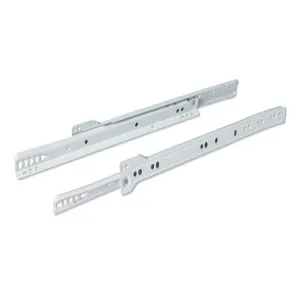
DRAWER GUDE HP605B
Category: DRAWER GUDE WITH ROLLERBrowse number: 159Number:Release time: 2025-07-25 17:04:03
News
Category:
No search results found!
Case
Category:
No search results found!
Video
Category:
No search results found!
Download
Category:
No search results found!
Job
Category:
No search results found!
Featured Products
No search results found!



 WhatsApp
 Phone
Phone