
 Español
 Italiano
 中文
中文
Marble Price
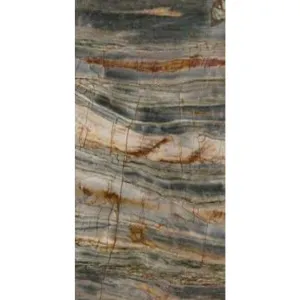
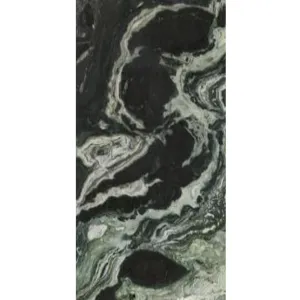
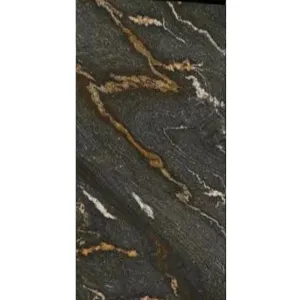
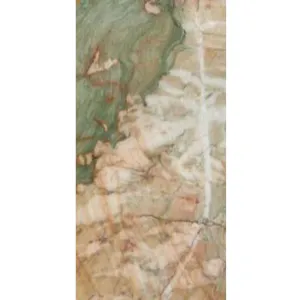
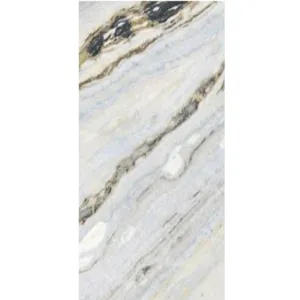
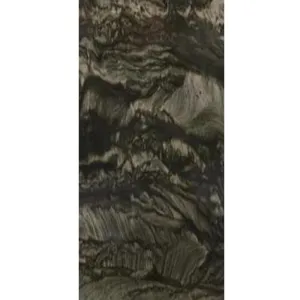
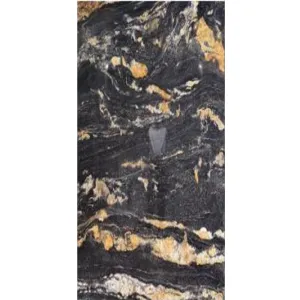
Marble is a timeless and elegant natural stone that has been used for centuries in architecture, sculpture, and interior design. Its unique beauty, durability, and versatility make it a highly sought-after material for a wide range of applications. The price of marble varies significantly depending on several factors, including its type, quality, origin, and the complexity of its extraction and processing.One of the primary determinants of marble price is its type. Marble comes in a vast array of colors, patterns, and textures, each with its own distinct characteristics. For example, white marble, such as Carrara or Calacatta, is often more expensive due to its classic appearance and high demand in luxury projects. Similarly, exotic marbles with rare veining or unique colors, like Emperador or Verde Guatemala, can command premium prices. The rarity and aesthetic appeal of these varieties significantly influence their cost.Quality is another crucial factor in determining marble prices. High-quality marble is free from cracks, blemishes, and imperfections, making it more desirable for use in high-end projects. The grading system for marble typically ranges from commercial-grade (suitable for basic applications) to premium-grade (ideal for luxury installations). The better the quality, the higher the price, as it requires more meticulous selection and processing.The origin of the marble also plays a significant role in its pricing. Marble quarried from renowned locations, such as Italy, Greece, or Turkey, often carries a higher price tag due to its historical significance, superior craftsmanship, and the cost of transportation. Additionally, some regions are known for producing specific types of marble that are highly prized in the global market.The extraction and processing of marble are labor-intensive and require advanced technology, which adds to its cost. Quarrying marble involves cutting large blocks from the earth, which must then be transported to processing facilities. The blocks are sliced into slabs, polished, and sometimes treated to enhance their durability and appearance. Each step in this process requires skilled labor and specialized equipment, contributing to the overall expense.Finally, market demand and supply dynamics can influence marble prices. High demand for certain types of marble, especially during peak construction or renovation seasons, can drive prices up. Conversely, an oversupply of less popular varieties may lead to more competitive pricing.In conclusion, the price of marble is influenced by a combination of factors, including its type, quality, origin, extraction and processing costs, and market conditions. Its enduring appeal and versatility ensure that it remains a valuable and cherished material in the world of design and architecture.
Products
Category:

News
Category:
No search results found!
Case
Category:
No search results found!
Video
Category:
No search results found!
Download
Category:
No search results found!
Job
Category:
No search results found!
Featured Products
No search results found!



 WhatsApp
 Phone
Phone