
 Español
 Italiano
 中文
中文
Mirror images
Mirror images, also known as reflections, are fascinating phenomena that occur when light bounces off a surface and returns to the observer's eye, creating a reversed replica of the original object. This concept is deeply rooted in both science and art, offering a unique perspective on how we perceive the world around us.In the realm of physics, mirror images are a direct result of the law of reflection, which states that the angle of incidence is equal to the angle of reflection. When light strikes a smooth, polished surface like a mirror, it reflects in such a way that the image appears to be behind the mirror, maintaining the same distance as the object is from the mirror. This creates the illusion of depth and symmetry, making the reflection appear almost identical to the original object, albeit reversed.The reversal of the image is a key characteristic of mirror reflections. This phenomenon, known as lateral inversion, means that the left side of the object appears on the right side of the image, and vice versa. This can be observed in everyday life, such as when reading text in a mirror, where the letters appear backward. This inversion is a result of the way light travels and reflects, and it has intrigued scientists and artists alike for centuries.In art, mirror images have been used to create symmetry, balance, and harmony in compositions. Artists often employ mirrors to explore themes of duality, identity, and perception. For instance, in self-portraits, artists use mirrors to capture their own likeness, often revealing deeper aspects of their personality or emotional state. The mirror becomes a tool for introspection, allowing the artist to see themselves from a different perspective.Mirror images also play a significant role in psychology and philosophy. They are often used as metaphors for self-awareness and the human condition. The idea of looking into a mirror and seeing oneself can symbolize the process of self-reflection and introspection. It raises questions about identity, reality, and the nature of perception. Are we truly seeing ourselves as we are, or is the mirror image a distorted version of reality?In architecture and design, mirrors are used to create the illusion of space and light. By strategically placing mirrors, designers can make small rooms appear larger, enhance natural light, and create visually stunning effects. This application of mirror images demonstrates how a simple physical phenomenon can have a profound impact on our environment and how we experience it.In conclusion, mirror images are more than just a scientific curiosity; they are a powerful tool that bridges the gap between science, art, and philosophy. They challenge our perception of reality, invite us to explore the depths of our identity, and inspire creativity in various fields. Whether in a laboratory, an artist's studio, or the comfort of our own homes, mirror images continue to captivate and intrigue, offering a unique lens through which we can view the world.
Products
Category:
-
-
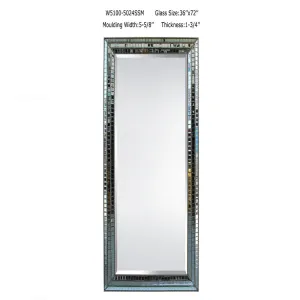
Mirrors WW5100-5024VB3
Category: MiRRORSBrowse number: 111Number:Release time: 2025-07-21 17:27:32 -
-
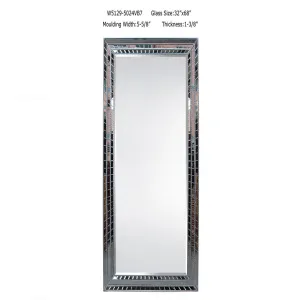
Mirrors W5129-5024VB7
Category: MiRRORSBrowse number: 140Number:Release time: 2025-07-21 17:31:57 -
-
-
-
-
-
-
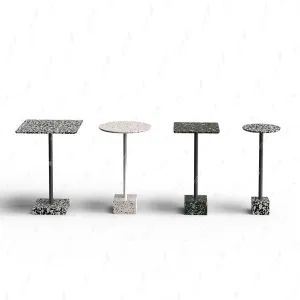
Stone Furniture
Category: Stone FurnitureBrowse number: 104Number:Release time: 2025-07-22 15:28:48 -
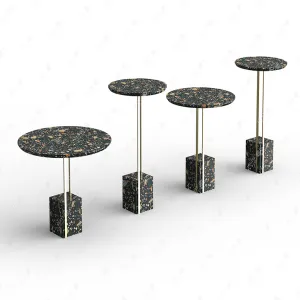
Stone Furniture
Category: Stone FurnitureBrowse number: 128Number:Release time: 2025-07-22 15:49:30
News
Category:
No search results found!
Case
Category:
No search results found!
Video
Category:
No search results found!
Download
Category:
No search results found!
Job
Category:
No search results found!
Featured Products
No search results found!



 WhatsApp
 Phone
Phone