
 Español
 Italiano
 中文
中文
mirrors
Mirrors have been an integral part of human civilization for centuries, serving both practical and symbolic purposes. These reflective surfaces, often made of glass coated with a thin layer of metal, have evolved significantly over time, from polished stones and metals in ancient times to the highly precise and versatile mirrors we use today.The primary function of a mirror is to reflect light, allowing us to see our own image. This simple yet profound ability has made mirrors indispensable in daily life. From personal grooming to interior design, mirrors play a crucial role in enhancing our appearance and our surroundings. In bathrooms, they help us shave, apply makeup, and style our hair. In living spaces, they create the illusion of more space, reflect natural light, and add aesthetic value to rooms.Beyond their practical uses, mirrors hold deep symbolic meanings across cultures. In many traditions, mirrors are associated with self-reflection, truth, and clarity. They are often used in rituals and ceremonies to symbolize introspection and the revelation of hidden truths. In literature and art, mirrors frequently serve as metaphors for self-awareness, identity, and the duality of human nature.The science behind mirrors is equally fascinating. When light hits a mirror, it bounces off at the same angle, creating a clear and accurate reflection. This principle is utilized in various fields, from astronomy to architecture. Telescopes, for instance, use large mirrors to capture and focus light from distant stars, enabling us to explore the universe. In architecture, mirrors are used to manipulate light and space, creating visually stunning and functional designs.Mirrors also have psychological effects. Studies have shown that seeing one’s reflection can influence behavior and self-perception. For example, people tend to be more self-critical and aware of their actions when in front of a mirror, a phenomenon known as the "mirror effect." This has implications in areas like therapy and self-improvement, where mirrors can be used as tools for personal growth.In addition to their functional and symbolic roles, mirrors have inspired countless innovations. Smart mirrors, equipped with digital displays and sensors, are now emerging in the market, offering features like weather updates, fitness tracking, and virtual try-ons. These advancements highlight the enduring relevance of mirrors in a rapidly evolving technological landscape.In conclusion, mirrors are more than just reflective surfaces; they are multifaceted tools that shape our daily lives, culture, and understanding of the world. Whether used for practical purposes, symbolic meanings, or scientific applications, mirrors continue to reflect the ingenuity and creativity of humanity. Their timeless appeal ensures that they will remain a vital part of our lives for generations to come.
Products
Category:
-
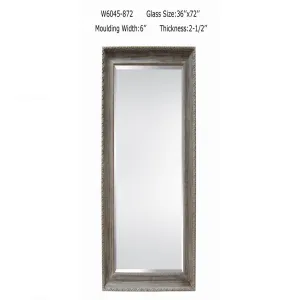
W6045-87 Modern Silver Glass Rectangular Wall Mirror with Gold Metal Frame
Category: MiRRORSBrowse number: 126Number:Release time: 2025-07-21 17:04:51W6045-87 Modern Silver Glass Rectangular Wall Mirror with Gold Metal FrameTimeless Luxury, Reflective Beauty1. Introduction: Where Function Meets Artistic ReflectionMirrors are far more than tools for checking your appearance—they are transformative pieces of interior design. They reflect light, open up spaces, and create depth in any environment. The W6045-87 mirror exemplifies this principle. Crafted with a sleek silver glass surface framed by a gold metallic border, this rectangular wall mirror merges contemporary minimalism with timeless sophistication.Whether it’s hanging in a bathroom, l... -
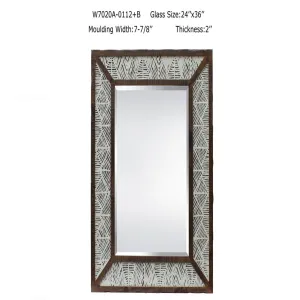
Mirrors W7020A-0112+B-G
Category: MiRRORSBrowse number: 119Number:Release time: 2025-07-21 17:19:19 -
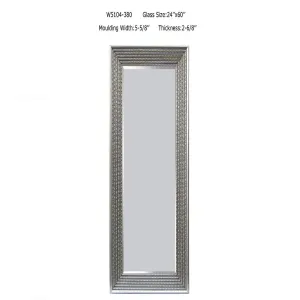
-
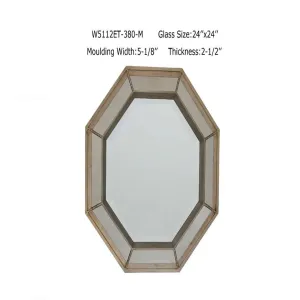
Mirrors W5112ET-380-M
Category: MiRRORSBrowse number: 104Number:Release time: 2025-07-21 17:31:29 -
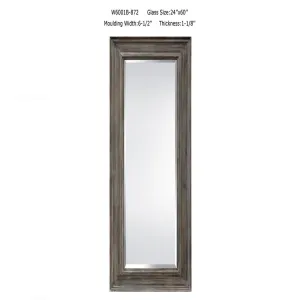
-
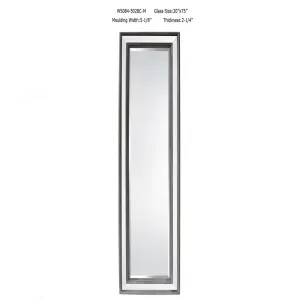
Mirrors W5084-5028C-M
Category: MiRRORSBrowse number: 228Number:Release time: 2025-07-21 17:42:18 -
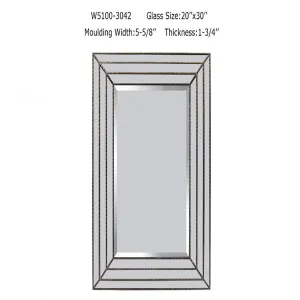
-
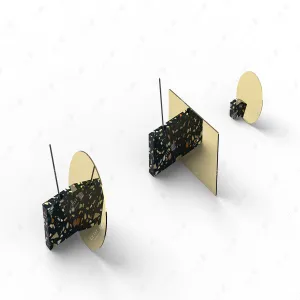
Stone Furniture
Category: Stone FurnitureBrowse number: 104Number:Release time: 2025-07-22 15:10:22
News
Category:
No search results found!
Case
Category:
No search results found!
Video
Category:
No search results found!
Download
Category:
No search results found!
Job
Category:
No search results found!
Featured Products
No search results found!



 WhatsApp
 Phone
Phone