
 Español
 Italiano
 中文
中文
Mirrors manufacturer
Mirror manufacturing is a complex and intricate process that combines artistry, precision engineering, and advanced technology to produce high-quality reflective surfaces. The journey of creating a mirror begins with the selection of raw materials, primarily glass, which serves as the base. The glass used in mirrors is typically float glass, known for its clarity, smoothness, and uniformity. This glass is carefully inspected for imperfections, as even the smallest flaw can distort the reflection.Once the glass is deemed suitable, it undergoes a thorough cleaning process to remove any dust, oils, or contaminants. This step is crucial, as any residue left on the surface can interfere with the reflective coating. The glass is then treated with a series of chemical solutions to enhance its adhesion properties, ensuring that the reflective layer bonds securely to the surface.The next stage involves the application of the reflective coating. Traditionally, this coating is made of silver, although aluminum is also commonly used. The process begins with the application of a sensitizer, which prepares the glass for the silvering solution. The silvering solution is then sprayed or poured onto the glass, where it chemically bonds to the surface, creating a thin, reflective layer. This layer is what gives the mirror its ability to reflect light and images.After the reflective coating is applied, the mirror is rinsed to remove any excess solution and then treated with a protective layer, usually copper or paint, to prevent oxidation and corrosion. This protective layer also enhances the durability of the mirror, ensuring it can withstand environmental factors such as humidity and temperature changes.Once the protective layer is applied, the mirror undergoes a final inspection to ensure it meets quality standards. This includes checking for defects in the reflective coating, such as bubbles, streaks, or unevenness, as well as verifying the overall clarity and brightness of the reflection. Mirrors that pass inspection are then cut to size, shaped, and edged according to customer specifications. The edges may be polished, beveled, or framed, depending on the desired aesthetic.Finally, the mirrors are carefully packaged to prevent damage during transportation. Packaging materials are chosen to provide maximum protection, ensuring that the mirrors arrive at their destination in pristine condition.In summary, mirror manufacturing is a meticulous process that requires attention to detail at every stage. From the selection of raw materials to the final packaging, each step is designed to produce a high-quality, durable, and visually appealing product. The result is a mirror that not only serves a functional purpose but also enhances the beauty of any space it occupies.
Products
Category:
-
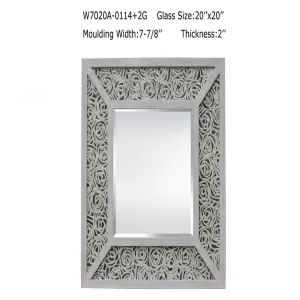
Mirrors W7020A-0114+2G-Gl
Category: MiRRORSBrowse number: 157Number:Release time: 2025-07-21 17:19:56 -
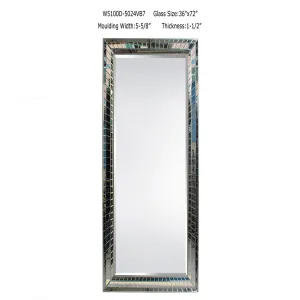
Mirrors W5100D-5024VB7
Category: MiRRORSBrowse number: 122Number:Release time: 2025-07-21 17:29:20 -
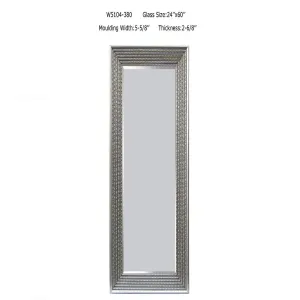
-
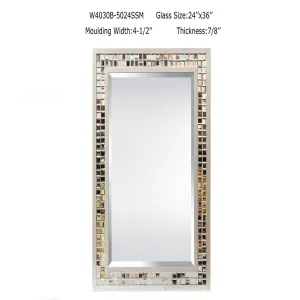
-
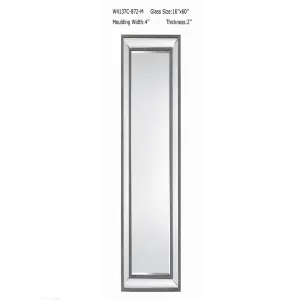
-
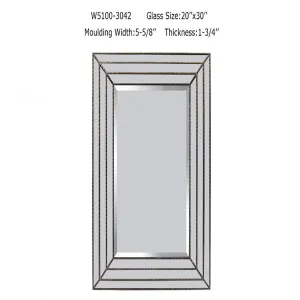
-

News
Category:
No search results found!
Case
Category:
No search results found!
Video
Category:
No search results found!
Download
Category:
No search results found!
Job
Category:
No search results found!
Featured Products
No search results found!



 WhatsApp
 Phone
Phone