
 Español
 Italiano
 中文
中文
Mirrors procurement
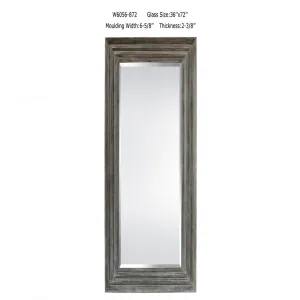
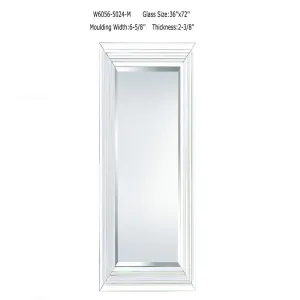
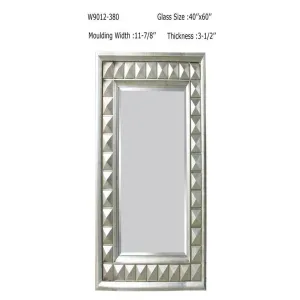
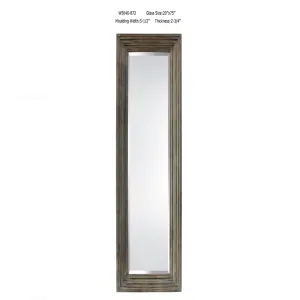
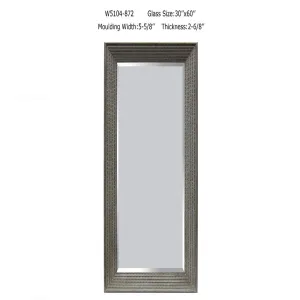
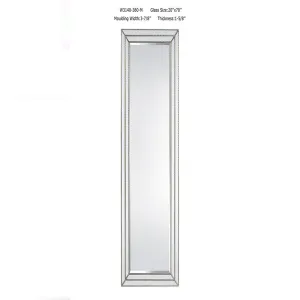
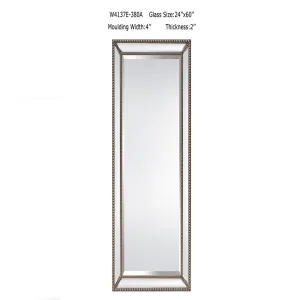
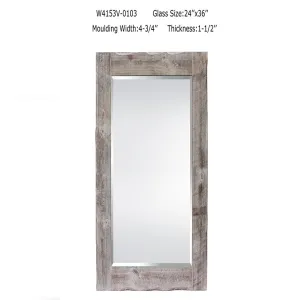
Mirror Procurement: A Comprehensive OverviewProcuring mirrors involves a series of strategic steps to ensure the acquisition of high-quality products that meet specific requirements. Mirrors are essential components in various industries, including construction, interior design, automotive, and consumer electronics. The procurement process must balance quality, cost, and delivery timelines while addressing technical specifications and supplier reliability.The first step in mirror procurement is defining the requirements. This includes understanding the intended application, such as whether the mirror is for residential, commercial, or industrial use. Key technical specifications to consider are size, shape, thickness, and type of glass (e.g., clear, tinted, or low-iron). Additionally, the type of coating—such as silver, aluminum, or dielectric—must be determined based on reflectivity, durability, and environmental resistance. Other factors include edge treatment (e.g., polished, beveled, or safety-edged) and compliance with industry standards like ANSI or ISO.Once the requirements are clear, the next step is identifying and evaluating suppliers. This involves researching manufacturers or distributors with a proven track record of producing high-quality mirrors. Factors to consider include production capacity, lead times, certifications, and adherence to sustainability practices. Requesting samples is crucial to assess the quality of the mirrors firsthand, ensuring they meet the desired specifications and performance standards.Cost negotiation is another critical aspect of mirror procurement. While price is a significant factor, it should not compromise quality. Suppliers may offer bulk discounts or flexible payment terms, which can be leveraged to optimize procurement costs. It is also essential to factor in additional expenses such as shipping, customs duties, and potential tariffs, especially when sourcing internationally.Quality assurance is paramount throughout the procurement process. This includes conducting regular inspections during production and before shipment to ensure the mirrors meet the agreed-upon standards. Establishing clear communication channels with suppliers helps address any issues promptly and maintain transparency.Finally, logistics and delivery must be carefully managed. Mirrors are fragile items that require specialized packaging to prevent damage during transit. Coordinating with logistics providers to ensure timely and safe delivery is essential. Additionally, having a contingency plan for potential delays or damages can minimize disruptions to the project timeline.In conclusion, mirror procurement is a multifaceted process that requires careful planning, supplier evaluation, cost management, and quality control. By addressing these aspects systematically, organizations can secure mirrors that meet their specific needs while maintaining efficiency and cost-effectiveness.
Products
Category:


News
Category:
No search results found!
Case
Category:
No search results found!
Video
Category:
No search results found!
Download
Category:
No search results found!
Job
Category:
No search results found!
Featured Products
No search results found!



 WhatsApp
 Phone
Phone