
 Español
 Italiano
 中文
中文
Stone price
The price of stone is influenced by a variety of factors, ranging from the type of stone and its quality to market demand, extraction costs, and global economic conditions. Stone, as a natural resource, has been used for centuries in construction, sculpture, and decorative applications, making it a valuable commodity in both historical and modern contexts.One of the primary determinants of stone price is its type. Natural stones such as granite, marble, limestone, and sandstone each have unique characteristics that affect their value. Granite, for example, is highly durable and resistant to weathering, making it a popular choice for countertops and outdoor applications. Its price is often higher than that of softer stones like limestone, which is more susceptible to erosion and requires more maintenance. Marble, known for its elegance and veining patterns, is another high-end stone often used in luxury projects, and its price reflects its aesthetic appeal and rarity.Quality is another critical factor in stone pricing. Stones with consistent color, minimal imperfections, and uniform texture are considered higher quality and command higher prices. For instance, marble with fewer veins and a pure white color, such as Carrara marble, is more expensive than marble with heavy veining or discoloration. Similarly, granite with unique patterns or rare colors can fetch a premium in the market.The extraction and processing costs also play a significant role in determining stone prices. Quarrying stone is a labor-intensive and resource-heavy process that involves heavy machinery, skilled labor, and transportation. The location of the quarry can impact costs, as stones sourced from remote or difficult-to-access areas may incur higher extraction and shipping expenses. Additionally, the processing of stone—cutting, polishing, and finishing—requires specialized equipment and expertise, adding to the overall cost.Market demand and supply dynamics further influence stone prices. In regions where stone is in high demand for construction or decorative purposes, prices tend to rise. Conversely, in areas where alternative materials like concrete or engineered stone are preferred, natural stone prices may remain stable or even decrease. Global economic conditions, such as fluctuations in currency exchange rates, trade policies, and geopolitical events, can also impact the cost of stone, especially for imported varieties.Environmental and regulatory factors are increasingly affecting stone prices as well. Quarrying activities are subject to environmental regulations aimed at minimizing ecological damage, which can increase operational costs. Additionally, the growing emphasis on sustainable and ethically sourced materials has led to higher prices for stones that meet these criteria.In conclusion, the price of stone is a complex interplay of its type, quality, extraction and processing costs, market demand, and external factors such as economic conditions and environmental regulations. Understanding these factors is essential for buyers and industry professionals to make informed decisions and appreciate the true value of this timeless material.
Products
Category:
-
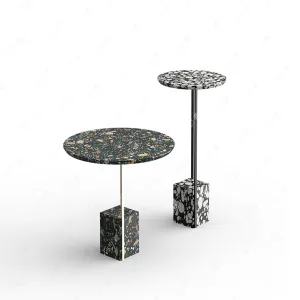
Stone Furniture
Category: Stone FurnitureBrowse number: 185Number:Release time: 2025-07-22 14:29:11 -
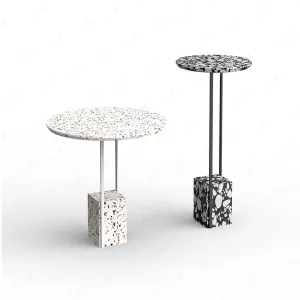
Stone Furniture
Category: Stone FurnitureBrowse number: 164Number:Release time: 2025-07-22 14:29:36 -
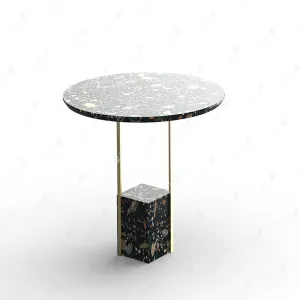
Stone Furniture
Category: Stone FurnitureBrowse number: 161Number:Release time: 2025-07-22 14:32:45 -
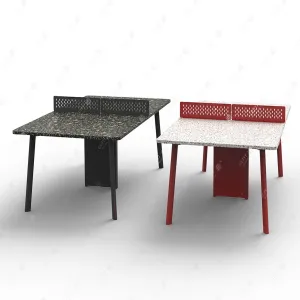
Stone Furniture
Category: Stone FurnitureBrowse number: 100Number:Release time: 2025-07-22 14:54:58 -
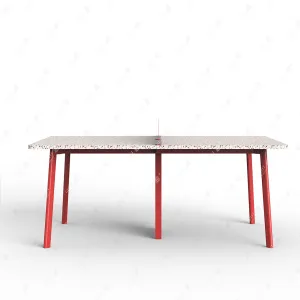
Stone Furniture
Category: Stone FurnitureBrowse number: 125Number:Release time: 2025-07-22 14:58:47 -
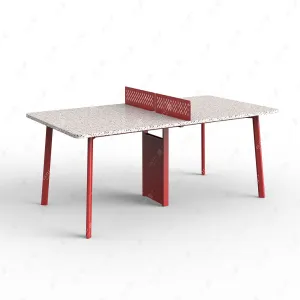
Stone Furniture
Category: Stone FurnitureBrowse number: 103Number:Release time: 2025-07-22 14:59:13 -
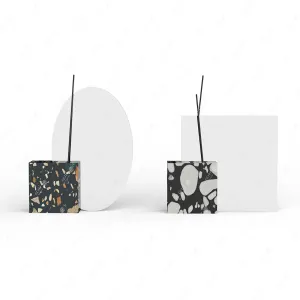
Stone Furniture
Category: Stone FurnitureBrowse number: 116Number:Release time: 2025-07-22 15:05:26 -
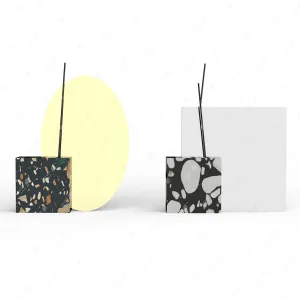
Stone Furniture
Category: Stone FurnitureBrowse number: 107Number:Release time: 2025-07-22 15:05:59 -
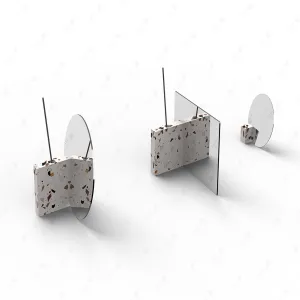
Stone Furniture
Category: Stone FurnitureBrowse number: 91Number:Release time: 2025-07-22 15:09:08 -
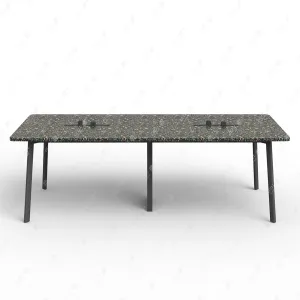
Stone Conference table
Category: Stone FurnitureBrowse number: 105Number:Release time: 2025-07-22 15:12:25 -
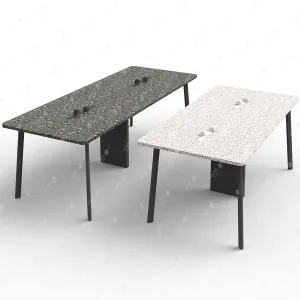
Stone Conference table
Category: Stone FurnitureBrowse number: 109Number:Release time: 2025-07-22 15:18:03 -
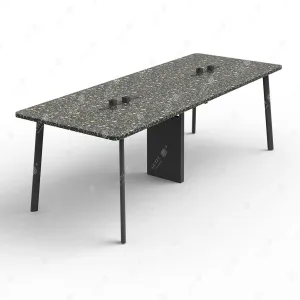
Stone Conference table
Category: Stone FurnitureBrowse number: 177Number:Release time: 2025-07-22 15:18:27
News
Category:
No search results found!
Case
Category:
No search results found!
Video
Category:
No search results found!
Download
Category:
No search results found!
Job
Category:
No search results found!
Featured Products
No search results found!



 WhatsApp
 Phone
Phone